



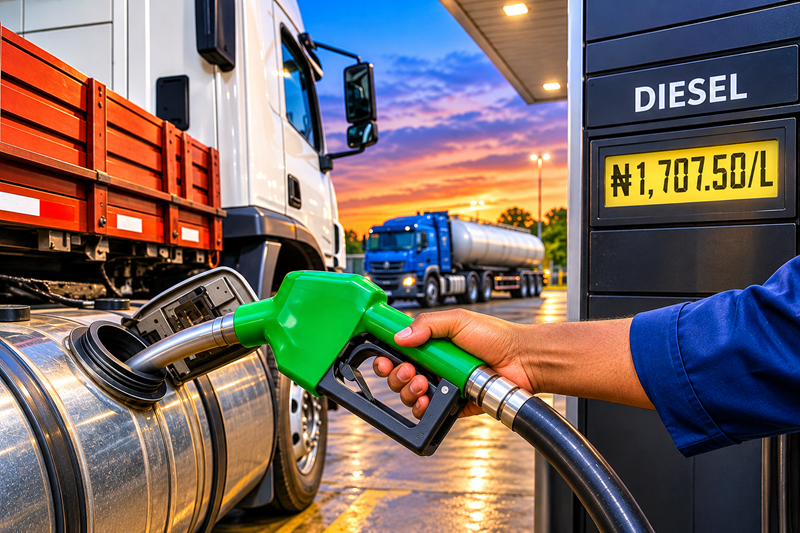
If you manage procurement for a power plant, mining operation, telecom tower portfolio, airline caterer, or manufacturing site in Nigeria, you know the feeling. The diesel (AGO), petrol (PMS), or kerosene (DPK) you ordered should arrive on Tuesday. It arrives Friday, or in part, or not at all. Production schedules slip, generators idle, and finance asks why costs keep moving.
Bulk petroleum product supply in Nigeria is shaped by several overlapping constraints:
- Depot congestion and loading delays at Lagos, Warri, Calabar, and Port Harcourt terminals.
- Poor road conditions and trucking shortages, especially on long-haul routes to the north and interior.
- Price volatility and foreign-exchange pressure, which complicate budgeting and supplier contracts.
- Product availability swings when import cargoes or local refinery output are delayed.
- Security and theft risks along transport corridors.
These supply chain bottlenecks rarely arrive alone, and no single fix removes them. The most resilient procurement teams combine several approaches. Below are five practical strategies for overcoming bottlenecks in bulk petroleum product supply, each with honest pros and cons.
Solution 1: Diversify Your Supplier and Depot Base
Relying on one supplier or one loading depot is the most common single point of failure in bulk petroleum product supply. Qualify at least two or three suppliers, ideally lifting from different depots or regions.
Pros
- Reduces exposure when one depot has queues, outages, or product shortages.
- Strengthens your negotiating position on price and service terms.
- Gives you immediate fallback options during disruptions.
Cons
- Qualifying suppliers takes time (due diligence, licensing checks, quality audits).
- Splitting volumes may reduce the discounts a single large-volume partner would offer.
- Managing multiple relationships increases administrative workload.
Tip: Verify that each supplier holds valid DPR/NMDPRA licences and a track record of consistent loading.
Solution 2: Build Strategic On-Site Storage and Buffer Stock
Storage is your shock absorber. A larger tank farm or additional storage capacity lets you ride out a delayed delivery without halting operations, and lets you buy when prices and availability are favourable.
Pros
- Directly protects operations from short-term supply interruptions.
- Allows opportunistic purchasing during price dips.
- Gives you scheduling flexibility with suppliers and transporters.
Cons
- High capital cost for tanks, bunding, safety systems, and permits.
- Stored fuel ties up working capital and can degrade if held too long (especially diesel).
- Inventory carries safety, regulatory, and theft risks that must be managed.
Tip: Set reorder points using real lead-time data from your own history, not supplier promises.
Solution 3: Use Long-Term Supply Contracts with Clear Service Levels
Term agreements move you from the spot-market scramble to a priority customer position. The strongest contracts spell out volumes, delivery windows, quality specifications, and remedies for non-delivery.
Pros
- Improves supply security and delivery predictability.
- Enables more accurate budgeting through agreed pricing formulas or caps.
- Creates accountability through penalties, replacement obligations, or credits.
Cons
- You may be locked into pricing that falls behind a declining market.
- Suppliers may resist strict penalty clauses, or add premiums to cover them.
- Contract enforcement can be slow if disputes arise.
Tip: Use a pricing formula tied to a transparent reference rather than a fixed price, and include force majeure definitions that are specific rather than open-ended.
Solution 4: Optimise Logistics and Transport Planning
Often the bottleneck in bulk petroleum product supply is not the product but the movement of it. Improve this link by scheduling loading during off-peak hours, using vetted transporters with tracked fleets, and considering alternatives such as barges, rail, or pipeline-linked depots where feasible.
Pros
- Cuts turnaround time and demurrage-type costs.
- GPS tracking and sealed tankers reduce theft, diversion, and quality disputes.
- Better route planning avoids known problem corridors and bad-weather periods.
Cons
- Tracking technology and fleet audits add cost.
- Alternative modes (barge, rail) are limited by infrastructure and not available on every route.
- Even well-planned trucking remains exposed to road conditions and security incidents.
Tip: Include transporter performance (on-time rate, incident rate) in your supplier scorecards.
Solution 5: Adopt Data-Driven Procurement and Demand Forecasting
Many bottlenecks hit hardest because they were not anticipated. Track consumption, supplier performance, lead times, and price trends in one place, then use that data to forecast needs and trigger orders earlier.
Pros
- Turns reactive firefighting into planned purchasing.
- Reveals which suppliers, depots, and routes cause the most delays.
- Supports stronger negotiations with evidence rather than anecdotes.
Cons
- Requires reliable data discipline and, often, new software or training.
- Forecasts can be wrong when policy or market shocks occur.
- Benefits build gradually and are harder to show in the first few months.
Tip: Start simple with a monthly dashboard of delivery lead time, fill rate, and cost per litre, then add sophistication later.
Conclusion and Recommendations
No single tactic solves bulk petroleum product supply problems in Nigeria. The most reliable approach layers several of them, and the right mix depends on your volumes, location, and risk tolerance.
Recommended priorities:
- Start with visibility. Collect delivery, price, and lead-time data now. It makes every other decision better (Solution 5).
- Diversify quickly. Qualify a second and third supplier before you need them (Solution 1).
- Protect operations with buffer capacity. Right-size storage to your actual lead-time variability (Solution 2).
- Formalise the relationship. Move your core volumes onto contracts with enforceable service levels (Solution 3).
- Tighten the last mile. Audit transporters and plan loading and routes around known constraints (Solution 4).
Overcoming supply chain bottlenecks is an ongoing discipline rather than a one-time project. Procurement managers who invest in resilience across suppliers, storage, contracts, logistics, and data will be best placed to keep operations running when the next disruption hits. Review your current exposure against these five areas, pick the biggest gap, and act on that first.
Ready to Secure Dependable Bulk Petroleum Supply?
Don’t let the next delivery delay disrupt your operations. Talk to the team at Alacc Mac Energy about a supply arrangement built around your volumes, locations, and delivery schedules.
- Request a quote: Tell us your product, monthly volume, and delivery location, and we’ll respond with a tailored proposal [within X business hours].
- Speak to a supply specialist: +234-916-969-0891 | [email protected]
- Visit us online: https://alaccmacgroup.com/
[Request a Bulk Supply Quote Today →]